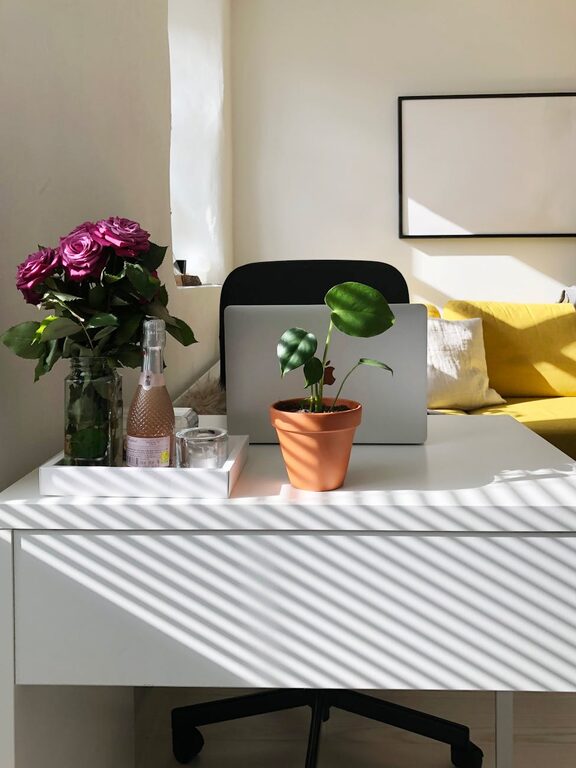
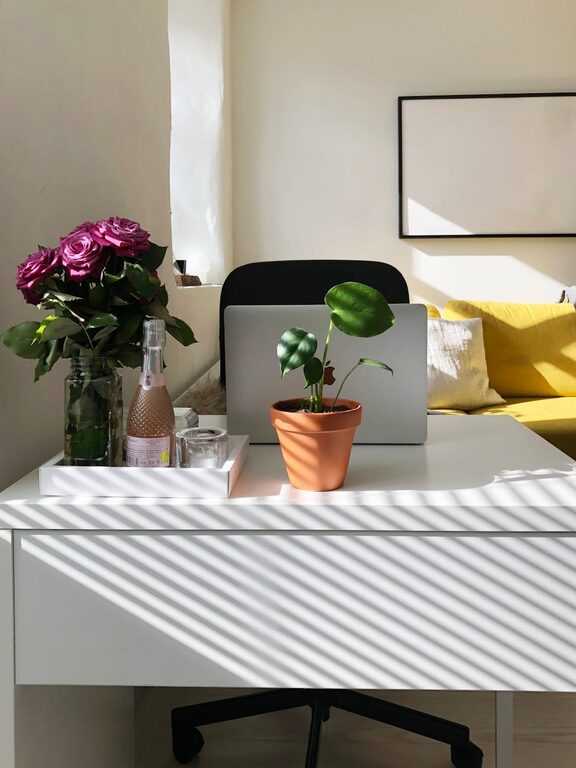
Creating a home workspace that is both cozy and functional can greatly enhance your productivity and well-being, especially as more people work remotely or pursue creative projects at home. A thoughtfully designed space makes it easier to focus, reduces stress, and can even boost creativity. In this post, we’ll explore practical tips to help you design a workspace that suits your needs and feels inviting.
Choose the Right Location
Consider Natural Light
Whenever possible, select a spot near a window. Natural light can lift your mood, reduce eye strain, and create an energizing environment. If natural light is limited, invest in good-quality artificial lighting that mimics daylight.
Minimize Distractions
Pick a quiet corner or room where you can concentrate without frequent interruptions. If you have a busy household, consider noise-canceling headphones or white noise machines to help maintain focus.
Invest in Comfortable and Supportive Furniture
Ergonomic Chair and Desk
Comfort is key when working for long hours. Choose an adjustable chair that supports good posture to avoid back or neck pain. Pair it with a desk at the proper height for your work style, whether sitting or standing.
Flexible Setup
If space allows, consider a sit-stand desk or create zones that let you alternate positions throughout the day. This flexibility can reduce fatigue and improve circulation.
Optimize Organization and Storage
Declutter Regularly
A tidy workspace helps clear your mind. Keep only the essentials on your desk to reduce distractions.
Use Storage Solutions
Incorporate shelves, drawers, or baskets to store supplies neatly. Label containers to easily find what you need.
Cable Management
Tidy cables with clips or sleeves to prevent tangles and keep your workspace visually appealing.
Personalize Your Space
Add Plants
Plants not only purify the air but also create a calming atmosphere. Choose low-maintenance varieties like succulents or pothos for easy care.
Display Inspiring Items
Photos, artwork, or motivational quotes can make your workspace feel welcoming and uplifting. Avoid overcrowding; choose a few meaningful pieces.
Use Cozy Textiles
A soft rug, cushions, or a throw blanket can add warmth and comfort without compromising functionality.
Enhance Lighting and Ambience
Layer Your Lighting
Combine overhead lights with task lamps to reduce glare and shadows. Adjustable desk lamps are great for focused work.
Control Window Treatments
Use blinds or curtains to regulate sunlight and maintain privacy.
Consider Color Psychology
Soft, neutral colors promote calmness and focus, while brighter accents can energize your space. Choose colors that suit your personality and work habits.
Create Zones for Different Tasks
Separate Work Types
If your space allows, create distinct areas for computer work, reading, or brainstorming. This can help your mind switch gears between tasks.
Use Visual Dividers
Bookshelves, screens, or plants can define areas without closing off your workspace completely.
Maintain Good Air Quality
Ventilation
Open windows regularly or use fans to circulate air. Good airflow helps keep you alert and comfortable.
Air Purifiers
If outdoor air quality is poor, consider an air purifier to reduce dust and allergens.
Set Up Technology Thoughtfully
Reliable Equipment
Invest in a good-quality computer, keyboard, and mouse to enhance comfort and efficiency.
Manage Digital Tools
Organize files and apps for easy access. Use calendars or to-do lists to stay on track.
Backup and Security
Regularly back up your work and use cybersecurity measures to protect your data.
Establish Boundaries for Work-Life Balance
Define Work Hours
Set specific times for work to help maintain balance and avoid burnout.
Communicate Your Schedule
Inform family or roommates about your work hours to minimize interruptions.
End-of-Day Routine
Develop a ritual that signals the end of your workday, such as tidying your desk or switching off your computer.
—
Building a cozy and functional home workspace is about balance: comfort meets practicality in a space tailored to your needs. By thoughtfully choosing your location, furniture, lighting, and organization strategies, you’ll create an environment that supports productivity and well-being. Remember, the best workspace is one where you feel motivated and comfortable to do your best work, day after day.