
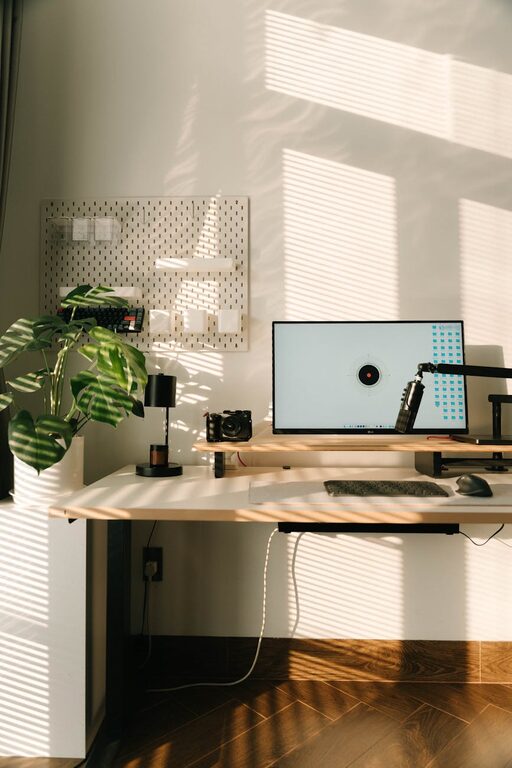
Creating a home workspace that is both sustainable and organized can significantly enhance your productivity while reducing your environmental footprint. Whether you are working remotely full-time or part-time, a well-planned workspace helps maintain focus and comfort. Here are practical tips to help you design a workspace that supports your work and the planet.
Why Focus on Sustainability and Organization?
A sustainable workspace minimizes waste, conserves energy, and encourages eco-friendly habits. An organized workspace reduces clutter, saves time, and creates a calming environment. Combining these approaches leads to a healthier, more efficient work area that you’ll enjoy spending time in.
—
Choose Eco-Friendly Materials
Start by selecting furniture and accessories made from sustainable materials.
– Reclaimed Wood: Desks or shelves made from reclaimed wood reduce demand for new lumber.
– Bamboo Products: Bamboo grows quickly and is biodegradable, making it a great choice for furniture and flooring.
– Recycled or Upcycled Items: Look for office items like storage boxes or organizers made from recycled plastics or upcycled materials.
– Non-Toxic Finishes: Select products with low volatile organic compounds (VOCs) to ensure better indoor air quality.
Additionally, if you’re purchasing new furniture, aim for durable, timeless designs that can last for years instead of trends that may quickly become outdated.
—
Maximize Natural Light and Use Energy-Efficient Lighting
Position your desk near a window if possible. Natural daylight can improve mood and reduce eye strain.
– Use LED Bulbs: Replace traditional bulbs with LEDs to save energy.
– Task Lighting: Invest in adjustable lamps that focus light where you need it, avoiding unnecessary lighting.
– Smart Power Strips: These can help reduce energy waste by turning off devices when not in use.
—
Set Up an Efficient and Clutter-Free Layout
Organizing your workspace starts with a well-thought layout:
– Designate Zones: Create specific areas for tasks such as computer work, paperwork, and storage.
– Keep Essentials Close: Store frequently used items within arm’s reach to minimize distractions.
– Use Vertical Space: Shelves and wall organizers free up desk space and keep important items visible but tidy.
– Cable Management: Use clips or sleeves to keep cords organized and prevent tangling.
Regularly declutter your workspace by removing items you no longer need or use. This keeps the area fresh and inviting.
—
Incorporate Greenery
Adding plants to your workspace benefits both the environment and your well-being:
– Air Purification: Plants like spider plants, snake plants, and pothos are known for improving air quality.
– Boost Mood and Creativity: Greenery can reduce stress and increase focus.
– Low Maintenance: Choose low-water indoor plants to keep things simple.
If space is limited, consider small succulents or air plants that require minimal care.
—
Opt for Digital Organization Tools
Reducing paper use is a significant step toward sustainability:
– Use Cloud Storage: Store files digitally to decrease paper clutter.
– Digital Note-Taking: Apps like OneNote or Evernote replace physical notebooks.
– Task Management Apps: Tools like Trello or Asana help keep your to-do list organized in one place.
Backing up digital documents regularly ensures nothing gets lost when going paperless.
—
Choose Sustainable Office Supplies
Small changes in your supplies can create a big impact:
– Recycled Paper Products: Use notebooks, printer paper, and sticky notes made from recycled materials.
– Refillable Pens and Markers: These reduce plastic waste compared to disposable ones.
– Eco-Friendly Ink: Look for cartridges that use vegetable-based or non-toxic ink.
– Reusable Containers: Store office snacks or supplies in reusable containers rather than disposable packaging.
When restocking, check for brands committed to environmentally friendly practices.
—
Maintain Cleanliness Naturally
Avoid harsh chemical cleaners in your workspace. Instead, try:
– Vinegar and Water Solutions: Effective for cleaning glass and surfaces.
– Baking Soda: Good for deodorizing and scrubbing.
– Microfiber Cloths: Washable and reusable, they reduce paper towel waste.
Keeping your workspace clean supports a healthy work environment.
—
Create a Routine for Organization
Sustainability and order require ongoing effort:
– Daily Tidying: Spend a few minutes at the end of each day to clear your desk.
– Weekly Reviews: Assess your supplies and discard items that are broken or no longer needed.
– Seasonal Upkeep: Deep clean and reorganize your space every few months to keep it fresh.
This habit prevents clutter buildup and reinforces your commitment to a sustainable workspace.
—
Final Thoughts
Designing a sustainable and organized home workspace is both rewarding and beneficial for your well-being. By thoughtfully selecting materials, optimizing layout and lighting, embracing digital tools, and maintaining a tidy routine, you can create a workspace that supports your work and respects the environment.
Start small with simple changes, and gradually build a space that inspires you every day while reducing your ecological impact. Your workspace should be a place where productivity and sustainability thrive hand in hand.