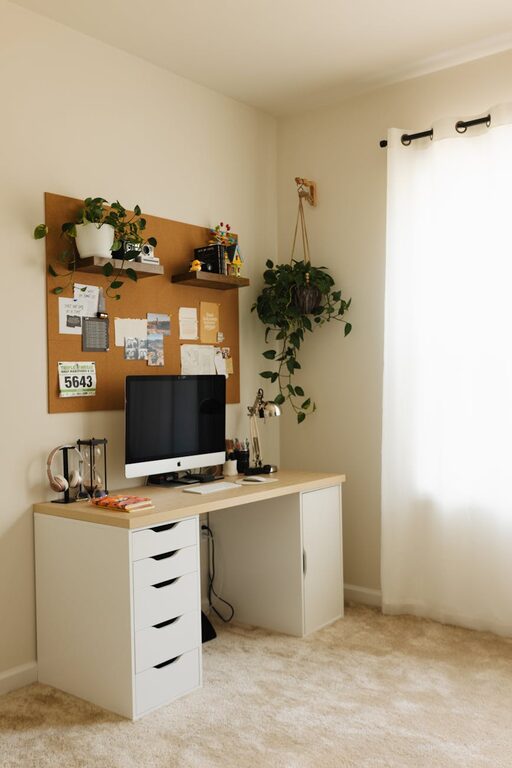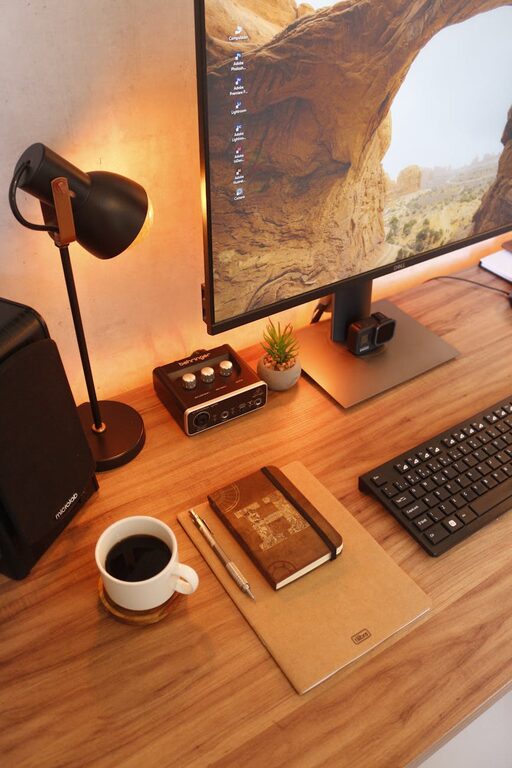

Creating a dedicated home workspace that is both clutter-free and productive is essential for maintaining focus and efficiency, especially in today’s world where remote work and study are common. A well-organized workspace not only helps you find what you need quickly but also enhances your motivation and reduces stress. Here are practical tips to help you design a home office that supports your work goals while keeping things neat and pleasant.
1. Choose the Right Spot
Start by selecting a space that naturally minimizes distractions. Ideally, choose a quiet area away from heavy foot traffic and noise, such as a spare room or a corner of a less-used room. Consider access to natural light, as this can improve mood and energy levels. If space is limited, even a small desk tucked into a nook can work well.
2. Invest in Functional Furniture
Your furniture should support your comfort and productivity. A comfortable, ergonomic chair and an appropriately sized desk make a big difference for long hours of work. Look for desks with built-in storage or add organizers to keep everyday items close but out of sight. Adjustable desks that allow you to stand or sit can also improve comfort and focus.
3. Declutter Regularly
Clutter can be a major distraction and contribute to stress. Set a routine to tidy your workspace daily or weekly. Remove unnecessary items like old papers, unused stationery, and broken gadgets. Use trays or drawer organizers to keep essential supplies orderly.
4. Optimize Storage Solutions
Good storage helps keep your workspace tidy. Use a combination of shelves, drawers, and filing cabinets to store documents, office supplies, and personal items. Label boxes or folders to quickly locate items. Vertical storage can save space while keeping surfaces clear.
5. Manage Cables Efficiently
Messy cables can make even the cleanest workspace look disorganized. Use cable clips, ties, or sleeves to bundle and hide wires. Position power strips under the desk or behind furniture to keep them out of sight.
6. Personalize Thoughtfully
Adding a few personal touches can make your workspace pleasant and motivating without overwhelming it. Choose a plant, a photo, or a small piece of art. Keep decorations minimal to maintain a clean appearance.
7. Maximize Lighting
Proper lighting reduces eye strain and keeps you alert. Combine natural light with task lighting, such as adjustable desk lamps. Avoid harsh overhead lights and use curtains or blinds to control sunlight and glare.
8. Create a Paperless System
Where possible, digitize documents and use cloud storage to minimize paper piles. Utilize apps for note-taking, to-do lists, and calendars to keep your workflow organized. When printing is necessary, have a dedicated spot for papers awaiting filing or disposal.
9. Establish Daily Habits
Your organization system works best when paired with disciplined habits. Start and end your day by organizing your desk. Prioritize tasks using lists or planners. Regularly review your storage solutions and adjust as your needs change.
10. Incorporate Break and Relaxation Zones
Even in a small home office, designate a spot for short breaks. This could be a comfy chair or a cushion by a window. Taking planned breaks improves focus and prevents burnout.
—
By following these tips, you can transform any home workspace into a clutter-free environment that promotes productivity and well-being. Remember, the goal is to create a space that feels inviting and organized, making it easier to stay focused and motivated throughout your workday. Happy organizing!